
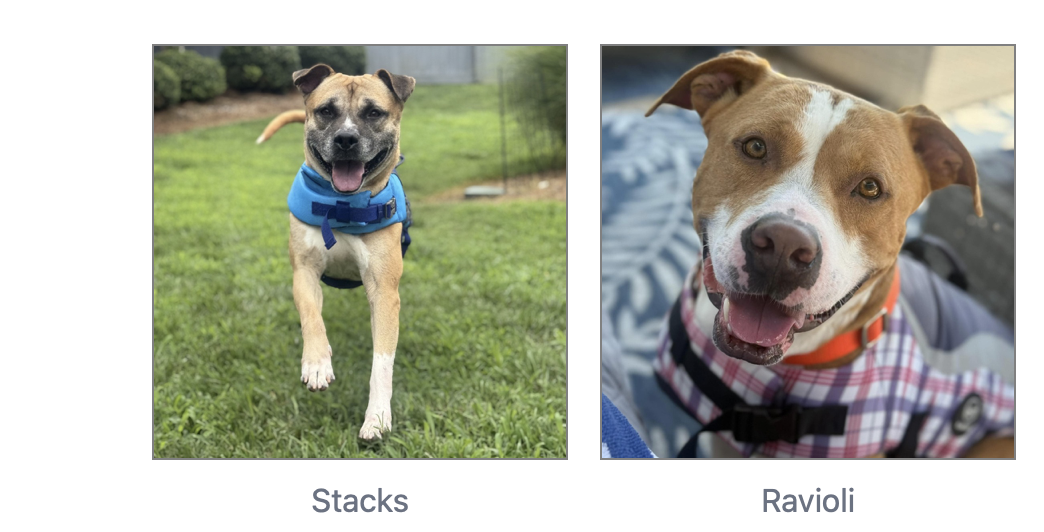
Guilford County Animal Services is in dire straits: The shelter is up to its neck in cats and dogs and staff has put out a loud call for dog and cat lovers in the county to help.
Guilford County is asking residents to foster animals, adopt pets and make donations as the county shelter currently cares for more than 700 animals – one of the highest population problems in the facility’s history and much more than the shelter is designed to hold.
The unusually large number of animals is straining the staff, space and other resources.
People bringing owner-surrendered animals to the shelter are currently experiencing wait times of two to three hours. According to Guilford County Animal Services, those delays are necessary to give each animal a proper intake evaluation, medical attention and safe housing.
“Our team is working tirelessly to provide the best care possible,” Guilford County Animal Services Director Jorge Ortega said this week.
However, he added that the huge number of animals is creating problems.
“The sheer volume of animals means we must prioritize their immediate needs and safety,” he said. “We’re asking for the community’s patience and support during this challenging time.”
Ortega said the shelter received about 1,500 dogs and cats during June and July alone.
One of the most immediate ways residents can help, shelter staff said, is by temporarily fostering an animal, which frees up space at the facility for other animals in need.
Animals that commonly need foster homes include puppies and kittens under eight weeks old, animals recovering from medical treatment and animals that need socialization, behavioral help or relief from the stress of living in the shelter.
Foster families must live in Guilford County, and foster participants must be at least 18 years old and have a valid North Carolina driver’s license.
Also, renters must provide proof that they have permission from their landlord or property manager to keep a foster animal.
Anyone fostering an animal must also have reliable transportation to appointments. Dogs and cats already living in the foster home must be spayed or neutered and up to date on vaccinations and preventative care.
No previous fostering experience is needed. For those new to the venture, the shelter’s foster coordinator provides training and information to help them care for the animals.
Another thing that makes it easier is that Guilford County Animal Services provides the food and all veterinary care for the animals in its foster program.
Foster families might need to provide bowls, beds, treats, toys, litter boxes, litter and other supplies. (Some donated supplies may be available, and residents who need help obtaining supplies can contact the foster coordinator.)
The average foster commitment is about two weeks. However, puppies and kittens may need to remain in foster care for eight weeks or longer depending on their age and health. The length of time required for animals with medical or behavioral issues depends on the individual animal’s needs.
People can request a particular animal, and shelter staff will attempt to match foster families with an appropriate pet based partly on the family’s experience.
Residents who already have pets can still foster, but the shelter recommends keeping the foster animal in a separate area. A seven- to 10-day isolation period is recommended to protect the foster animal and the household’s existing pets from contagious illnesses.
Foster families may also adopt the animals in their care if they decide they want to provide them with a permanent home. In fact, that’s one of the tricks the shelter uses to good effect: Some families intend to help out for a short period of time and end up growing attached to the animal. Which is usually what shelter staff is hoping.
For residents who are unable to make a weeks-long commitment, the shelter also offers a Dog’s Day Out program that allows participants to take a shelter dog away from the facility for several hours. That program gives dogs exercise, mental stimulation and experience interacting with people outside the shelter environment.
Shelter staff is also asking residents to adopt available animals, donate money or supplies, share information about adoptable animals on social media and reclaim lost pets promptly.
Residents who are interested in fostering can apply through the foster section of the Guilford County website.
For general information about Guilford County Animal Services, visit GuilfordCountyNC.gov/AnimalServices or call 336-641-3400.
You can see pictures and learn about animals at the shelter, like the two shown above, at https://www.guilfordcountync.gov/government/departments-and-agencies/animal-services/foster-pet#WhatwillIneedtoprovideformyfosteranimals-196.